Tracing Bonus Code Evolution and Its Effects on Wagering Fulfillment in Mobile Reel Platforms
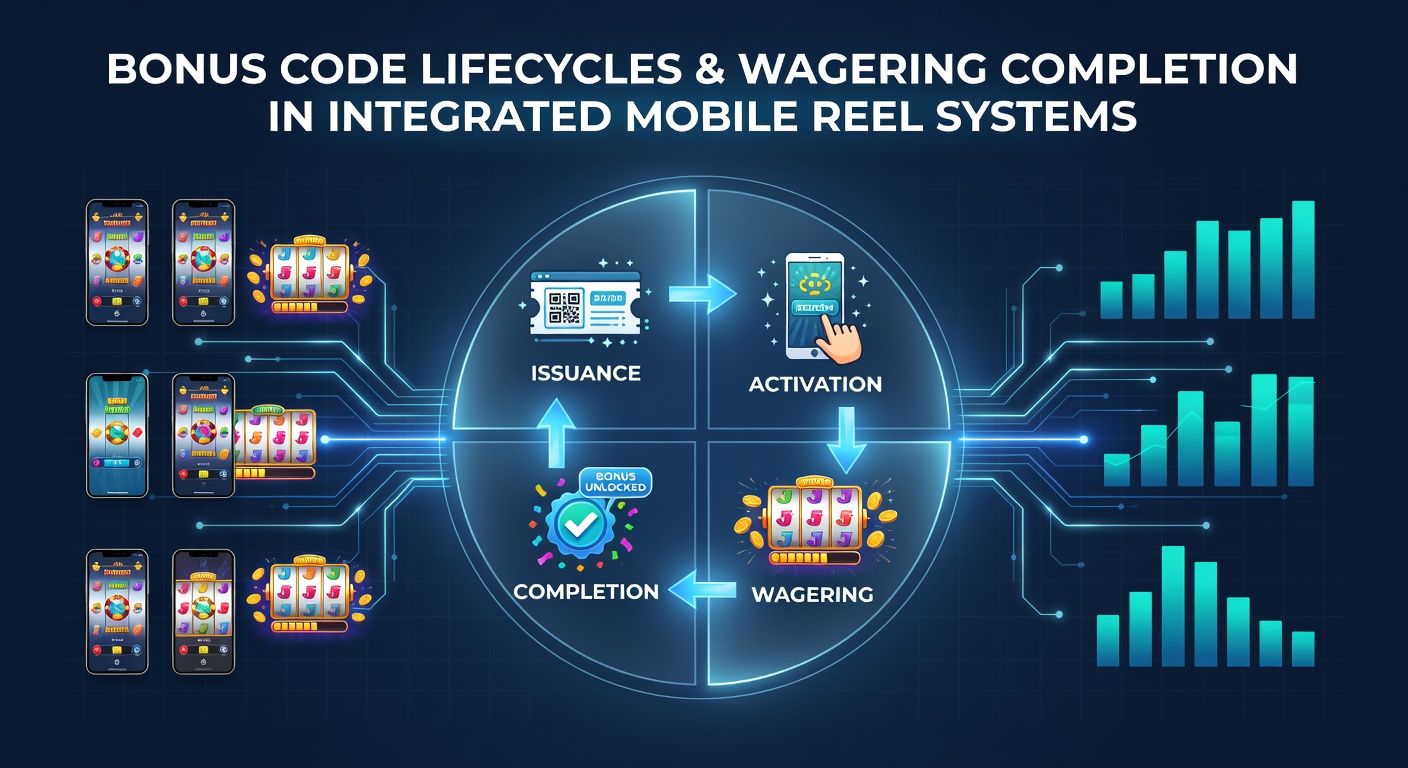
Bonus codes in integrated mobile reel systems follow defined lifecycles that begin with issuance and extend through activation, usage, and expiration phases, and these stages directly shape how players approach wagering completion requirements. Data from industry monitoring services shows that codes typically activate within 24 to 72 hours after distribution, after which they enter a usage window that ranges from three to fourteen days depending on the platform configuration. Researchers have documented that shorter usage windows correlate with accelerated wagering activity in the initial days after activation, whereas extended windows spread completion efforts across multiple sessions.
Stages Within Bonus Code Lifecycles
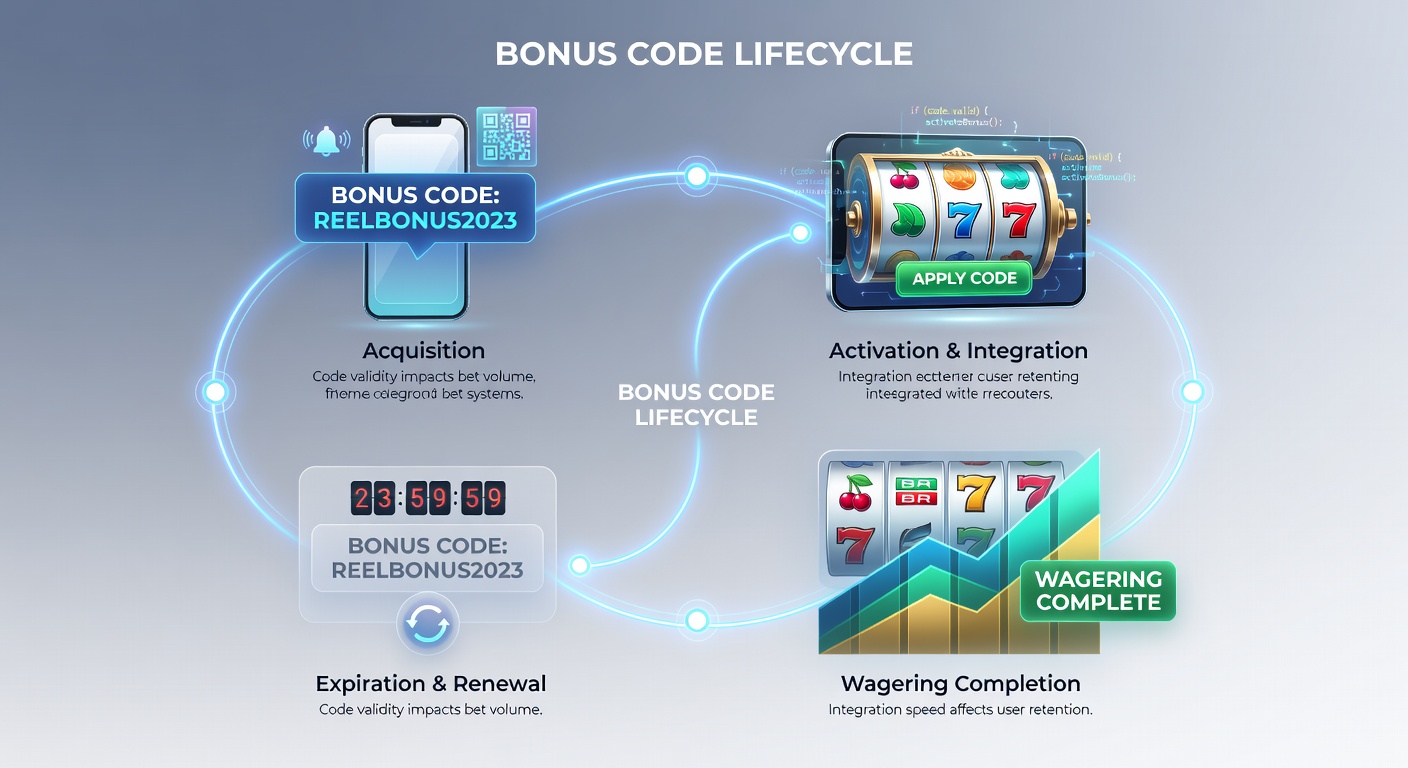
Each lifecycle incorporates several measurable points where player behavior shifts occur. The issuance stage involves code generation tied to specific triggers such as account verification or deposit events, and once distributed the code enters a pending state until the user enters it into the mobile application. Activation follows immediately upon successful validation, at which point the associated free spins or deposit match credits become available for play on integrated reel systems. Observers note that the transition from activation to active wagering often occurs within the first four hours, particularly when the code links to time-sensitive reel features like progressive multipliers or themed bonus rounds.
Usage patterns during the active phase reveal consistent trends across different operator datasets. Players tend to complete between 40 and 60 percent of required wagering volume within the first half of the code's validity period, after which activity either accelerates toward completion or declines sharply as expiration approaches. Studies conducted by academic gaming research groups indicate that integrated mobile systems with real-time progress trackers increase completion rates by an average of 18 percent compared with platforms that display static requirement information.
Mobile Integration Factors
Integrated reel systems on mobile devices introduce additional variables that interact with code lifecycles. Push notifications sent at the midpoint of a code's validity period have been shown to prompt renewed wagering sessions, and platforms that synchronize code timers with device calendars report higher fulfillment percentages. Network latency and session continuity also play measurable roles, since interrupted connections during reel spins can delay progress toward wagering thresholds. Figures compiled by the European Gaming and Betting Association reveal that mobile-optimized code systems achieve completion rates approximately 12 percent higher than desktop-only equivalents during equivalent timeframes.
Influence on Completion Rates
The expiration stage produces the most pronounced behavioral changes. As the remaining validity time decreases below 24 hours, players exhibit increased session frequency and longer average play durations, yet overall completion success drops when codes near their end without sufficient remaining wagering volume. Data collected through June 2026 across multiple regional markets demonstrates that codes with automated extension options tied to continued deposit activity maintain higher completion percentages than non-extendable codes. Mobile reel platforms that display countdown timers within the game interface itself further influence this dynamic by keeping the approaching deadline visible during active spins.
Regional regulatory frameworks shape lifecycle parameters as well. Licensing authorities in jurisdictions outside the United Kingdom, including the Malta Gaming Authority and the Nevada Gaming Control Board, have established guidelines that require clear disclosure of expiration dates and wagering multipliers at the point of code issuance. These requirements affect how operators structure code validity periods and how players receive information about remaining obligations. Reports from the Australian Communications and Media Authority similarly highlight that transparent lifecycle communication reduces instances of unclaimed bonuses and improves overall wagering completion statistics.
Observed Patterns in 2026
Throughout the first half of 2026, mobile reel platforms adjusted code lifecycle configurations in response to updated player analytics. Shorter, high-intensity cycles paired with immediate activation links became more prevalent, and completion data from these implementations showed concentrated wagering activity within the first 48 hours. Longer cycles that incorporated daily login rewards maintained steadier completion curves across the full validity window. Platform operators that integrated code status directly into reel game menus recorded fewer abandoned bonuses, since players could monitor remaining requirements without leaving the active session.
Cross-platform tracking further illustrates lifecycle effects. When a single code functions across multiple mobile titles within an operator's portfolio, wagering completion tends to distribute across different reel mechanics rather than concentrating on one game. This distribution pattern appears in aggregated data sets where players fulfill requirements through varied volatility levels, which in turn influences the average time to completion.
Conclusion
Bonus code lifecycles in integrated mobile reel systems operate through sequential stages that directly affect wagering completion outcomes. The timing of activation, the length of the usage window, and the visibility of progress indicators each contribute measurable influences on player behavior. Regulatory disclosures required by authorities such as the Malta Gaming Authority and the Nevada Gaming Control Board ensure that expiration parameters remain transparent, while platform features like real-time timers and cross-title functionality shape how those parameters translate into actual fulfillment rates. Continued monitoring of these interactions provides operators and analysts with data to refine code structures in line with observed completion trends.