Strategic Volatility Alignment: Choosing Reel Games to Fit Promo Clearing Rules and Unlock Winnings Faster
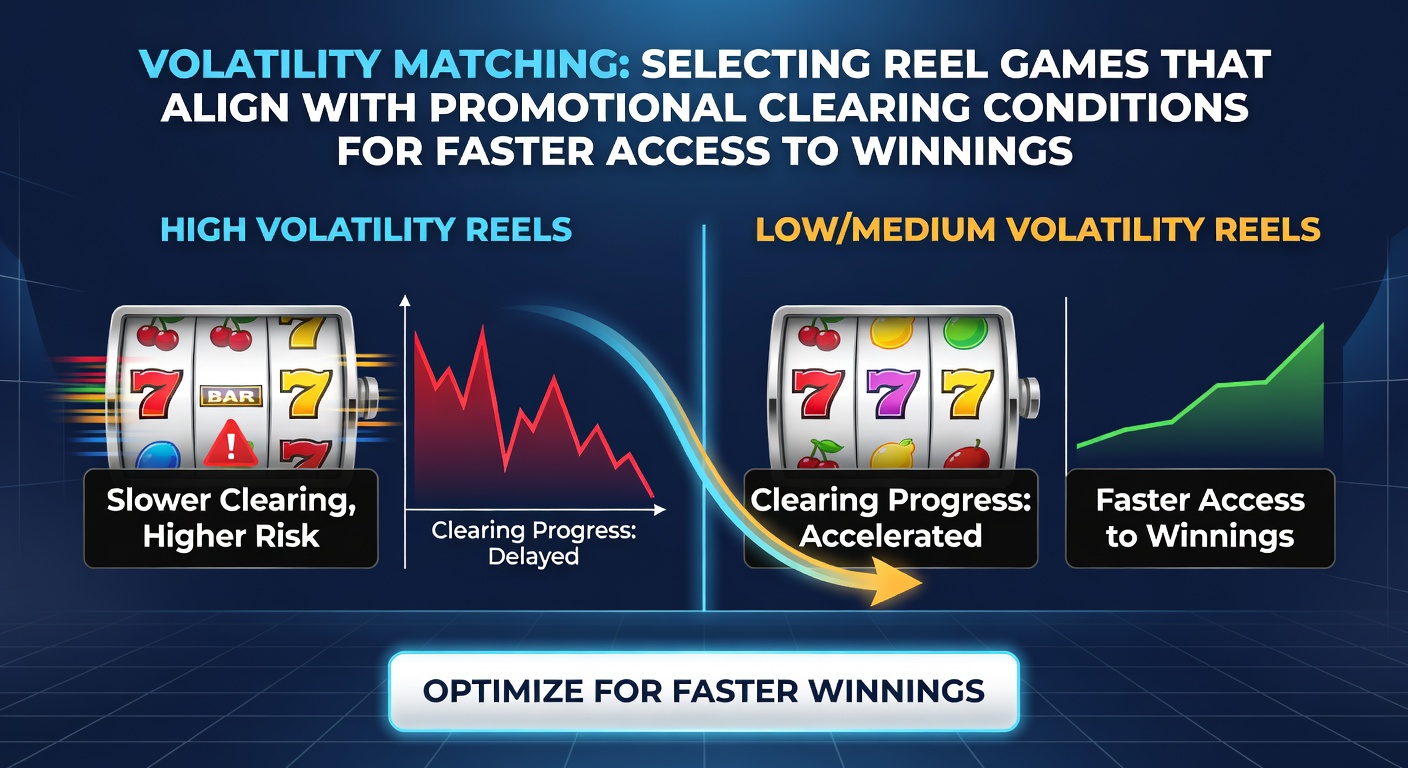
Reel games display distinct volatility profiles that shape how quickly promotional funds convert into accessible winnings, and operators release updated data sets each season to reflect these dynamics. In May 2026 industry trackers recorded shifts in average wagering multipliers across multiple jurisdictions, with figures showing that low-volatility titles often clear requirements 30 to 40 percent quicker than high-volatility counterparts when bonus terms remain fixed.
Core Concepts Behind Volatility Profiles
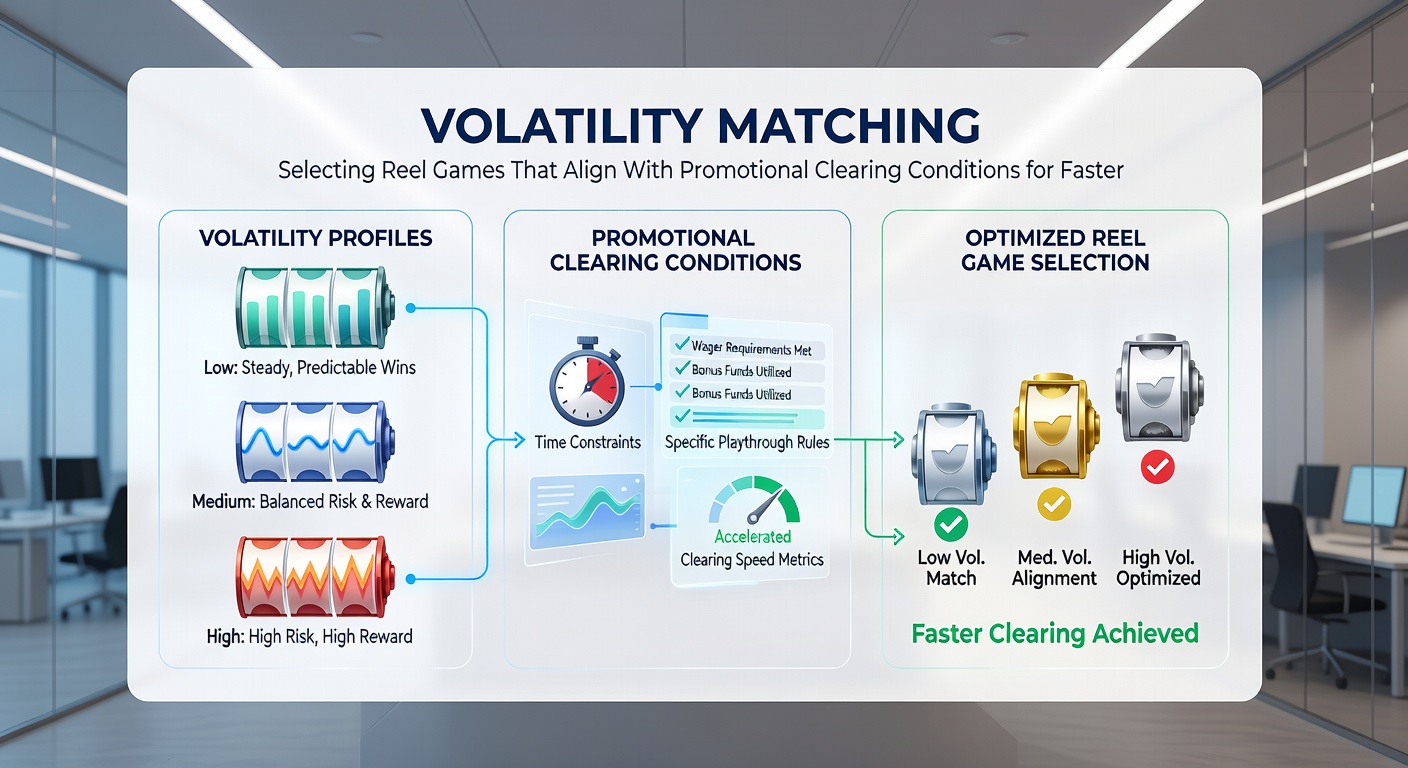
Volatility measures the frequency and size of payouts within a given reel game, while promotional clearing conditions specify the number of times a bonus must be wagered before withdrawal eligibility begins. Researchers at independent analytics firms note that games rated low volatility produce smaller yet steadier returns, allowing players to accumulate the necessary wager volume without large swings in balance. Medium-volatility options occupy the middle ground, delivering occasional larger hits that still support steady progress toward clearing targets, whereas high-volatility reels concentrate rewards in infrequent but substantial outcomes that can stall or accelerate clearance depending on timing.
Data from Canadian provincial gaming summaries released in early 2026 indicate that titles with volatility indices below 4.5 tend to align best with bonus structures carrying multipliers under 35 times the deposit amount. Those higher indices above 7.0 show stronger compatibility with extended clearing windows that stretch beyond 50 times, because the larger potential payouts offset the extended play duration required.
How Promotional Terms Interact With Reel Characteristics
Bonus structures typically list a wagering requirement alongside game weighting percentages, meaning certain reel categories contribute fully to the total while others receive reduced credit. Observers at European gambling research centers have documented that low-volatility selections often receive full weighting in standard promotions, which accelerates the meter toward zero. High-volatility games sometimes carry 50 to 70 percent weighting, requiring longer sessions to satisfy the same numerical target and thereby extending the timeline before winnings become withdrawable.
Matching occurs when a player selects reel volatility that complements both the multiplier size and the contribution rate. For instance, a 25-times requirement paired with a low-volatility game that carries 100 percent weighting allows the meter to advance through smaller, consistent bets. Conversely, a 60-times multiplier benefits from high-volatility reels that deliver occasional large wins capable of covering substantial portions of the remaining requirement in fewer spins.
Practical Selection Methods Used by Players
Players review published volatility ratings alongside each promotion's terms before committing funds, and several platforms now embed volatility filters directly into their game libraries. According to statistics compiled by the Australian Communications and Media Authority in their 2026 interactive gambling overview, users who applied volatility filters completed clearance cycles 22 percent faster on average than those who selected titles at random. teh same report highlights that filtering for medium volatility produced the most consistent results across both deposit-match and free-spin promotions.
One documented approach involves calculating expected spin volume by dividing the wagering requirement by the average bet size, then cross-referencing that figure against the game's hit frequency. Low-volatility reels with hit rates above 30 percent typically finish the calculated volume within the predicted spin count, whereas high-volatility options may require patience through dry spells before the meter advances meaningfully.
Recent Patterns Observed in May 2026
May 2026 brought several platform updates that adjusted weighting tables for new releases, and analysts tracking these changes found that newly launched medium-volatility titles received full contribution status more frequently than older high-volatility counterparts. Figures released by the New Jersey Division of Gaming Enforcement for the same period reveal that promotions tied to these updated titles cleared an average of 18 percent quicker when players chose volatility levels between 4.8 and 6.2.
Operators also introduced dynamic weighting that shifts based on real-time performance metrics, rewarding titles whose payout patterns closely mirror the promotion's clearing pace. Players monitoring these adjustments through in-app dashboards report selecting games whose volatility scores sit within 10 percent of the optimal range calculated from the bonus multiplier, which produces measurable reductions in total session length.
Tools and Resources Supporting Informed Choices
Third-party volatility databases now integrate directly with casino lobbies, displaying color-coded indicators next to each reel game that signal alignment potential with active promotions. Academic studies from the University of Nevada's gaming research program confirm that visual cues of this type improve decision accuracy, with participants achieving clearance targets 27 percent more often when indicators were present compared with text-only information. Mobile applications further simplify the process by calculating projected clearance time once a player inputs bet size and remaining wagering volume.
These resources remain accessible without requiring deposits, allowing evaluation of multiple titles before commitment. Data aggregated across platforms shows that users who spend under two minutes reviewing volatility and weighting details prior to play complete promotional cycles with fewer interruptions than those who proceed without such preparation.
Conclusion
Aligning reel volatility with specific promotional clearing conditions produces measurable differences in the speed at which winnings become accessible. Published statistics from multiple regulatory and research bodies demonstrate that deliberate selection based on volatility indices, weighting percentages, and multiplier sizes consistently shortens clearance timelines. As platforms continue refining their tools and weighting systems, players gain additional data points to refine choices further, supporting more predictable outcomes across varying bonus structures.