Patterns of Incentive Navigation in Smartphone-Based Slot Applications
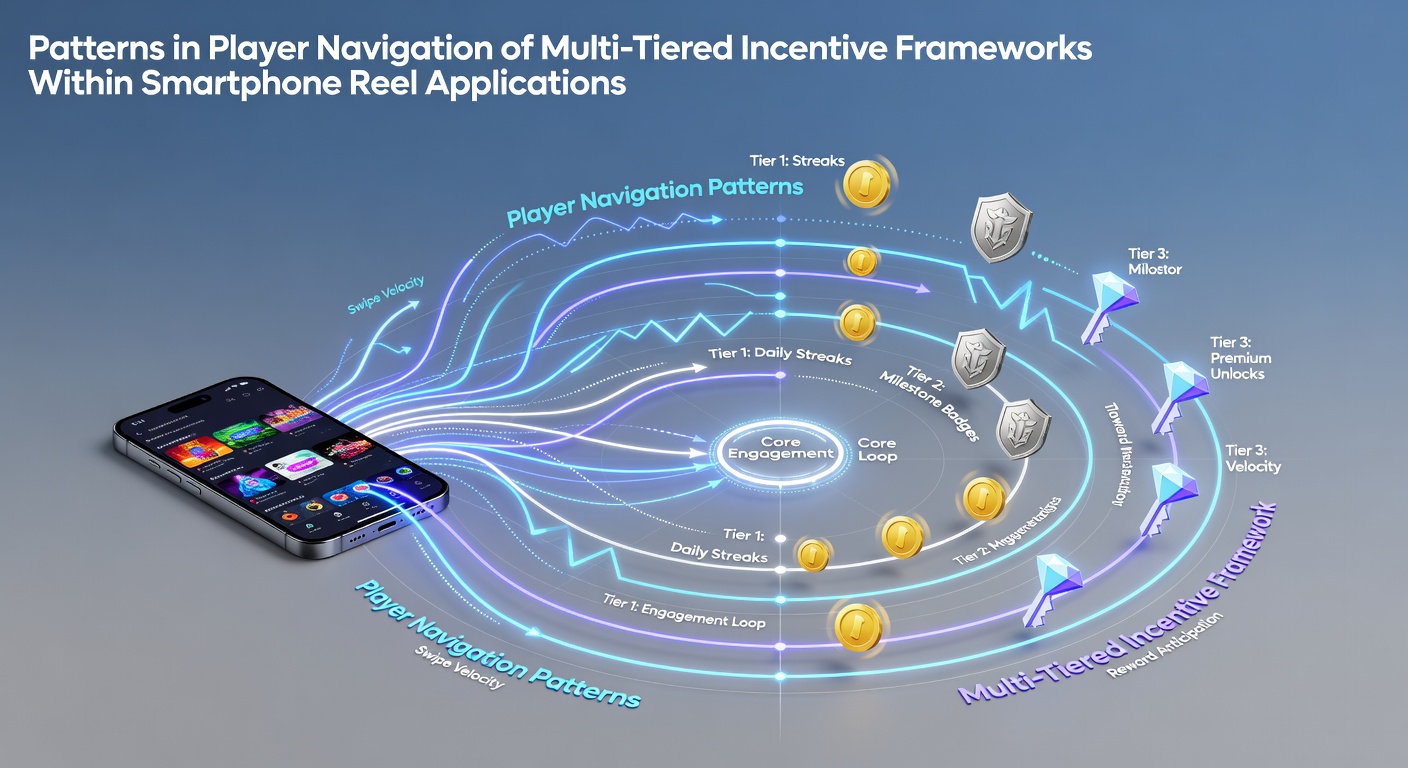
Smartphone reel applications have developed intricate multi-tiered incentive frameworks that guide player progression through sequential reward stages and these structures often combine free spins, deposit matches, and loyalty multipliers into connected sequences. Data from industry reports indicate that players encounter these systems as they advance from initial no-deposit entry points toward sustained engagement levels and the navigation patterns emerge when users decide whether to complete wagering requirements or shift to new promotional cycles.
Core Components of Tiered Incentive Systems
Multi-tiered frameworks typically begin with entry-level offers that unlock after account verification then escalate to deposit-based rewards once players meet minimum activity thresholds and researchers tracking mobile gaming sessions note that completion rates for early tiers reach higher percentages compared to later stages where requirements intensify. Studies conducted by the University of Nevada Reno Center for Gaming Research reveal consistent movement patterns where participants spend an average of four to seven days per tier before either advancing or pausing activity and these timelines vary by region yet show similar decision points across platforms.
Players often encounter branching options at each level such as selecting between additional free spins or cashback percentages and data shows that those who opt for spin-focused paths maintain shorter session durations while cashback routes correlate with extended play periods. External factors including device notifications and in-app reminders influence these choices as platforms deploy timed alerts to prompt progression through the framework.
Observed Navigation Behaviors Across User Segments
Segment analysis from 2025 mobile gaming datasets highlights three primary navigation styles that recur in reel applications and the first style involves rapid tier completion where users focus exclusively on meeting wagering targets within tight timeframes while the second style features selective engagement that skips certain tiers to access higher-value rewards later. The third style centers on exploratory movement where players test multiple paths simultaneously across different applications to compare outcomes and figures from the Canadian Gaming Association indicate that this exploratory group represents approximately twenty-two percent of active mobile users in tracked markets.
What's interesting here is how seasonal shifts affect these behaviors and during May 2026 several platforms introduced adjusted tier structures in response to updated tax reporting requirements in various jurisdictions which led to measurable changes in progression speeds. Players adjusted their navigation by prioritizing tiers with lower playthrough multipliers and this adaptation appeared in session logs as increased movement between applications rather than deeper investment in single ecosystems.
Data Patterns from Recent Platform Activity
Platform telemetry collected through 2026 demonstrates that navigation speed accelerates when incentives align with existing player balances and conversely slowdowns occur at tiers requiring new deposits. One analysis of aggregated user flows found that applications using progressive multipliers retained users through mid-level tiers at rates fifteen percent above those with flat reward structures and these differences held across both iOS and Android environments according to reports compiled by the European Gaming and Betting Association.
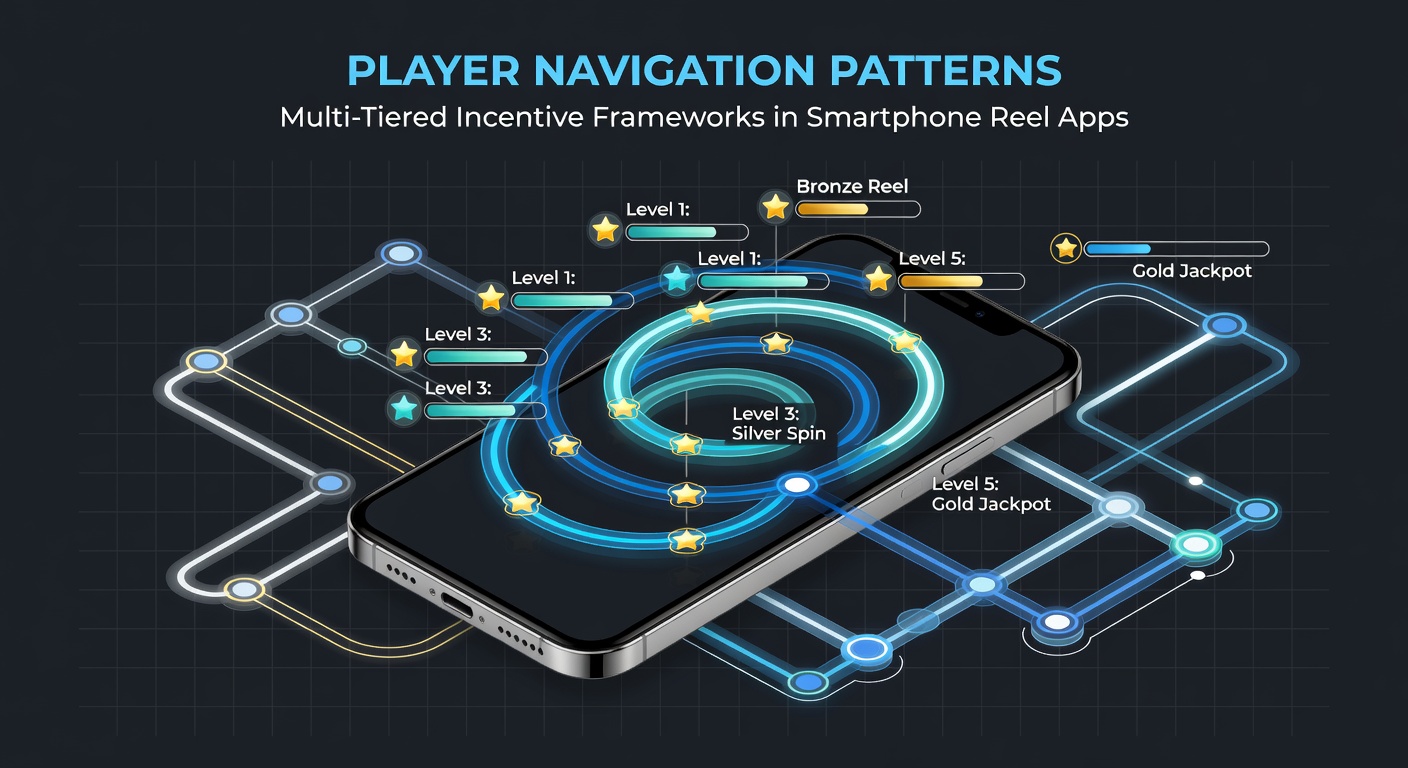
Navigation also shifts when external payment methods integrate directly with the incentive layers and users who link digital wallets complete deposit-related tiers more frequently than those relying on traditional card transactions. Research indicates that these integrations reduce friction points which otherwise interrupt the flow between tiers and the result appears in higher continuation rates from entry offers to loyalty programs.
Influences on Decision Points Within Frameworks
Decision points arise at each tier transition where players evaluate whether continued participation yields sufficient value relative to time invested and observers tracking these moments report that visual progress indicators strongly affect forward movement. Applications that display clear remaining requirements see fewer abrupt exits compared to those with opaque tracking systems and this pattern repeats across multiple studies of user retention metrics.
Geographic variations surface in how players respond to tier resets and markets with stricter advertising rules show slower navigation speeds overall while regions allowing more flexible promotional messaging experience quicker tier advancements. The reality is that these differences stem from regulatory environments rather than inherent player preferences and they shape how frameworks evolve on a platform-by-platform basis.
Conclusion
Patterns in player navigation of multi-tiered incentive frameworks within smartphone reel applications reflect structured responses to layered reward mechanics and available data continues to map how users move through entry tiers toward sustained engagement. Continued monitoring of these flows provides insight into how design adjustments influence progression and the connections between user segments and tier completion rates remain central to understanding mobile reel ecosystems as they develop through 2026 adn beyond.