Mapping Bonus Pathways Across Exclusive Gaming Hubs: Complimentary Spins Evolving into Deposit Matches
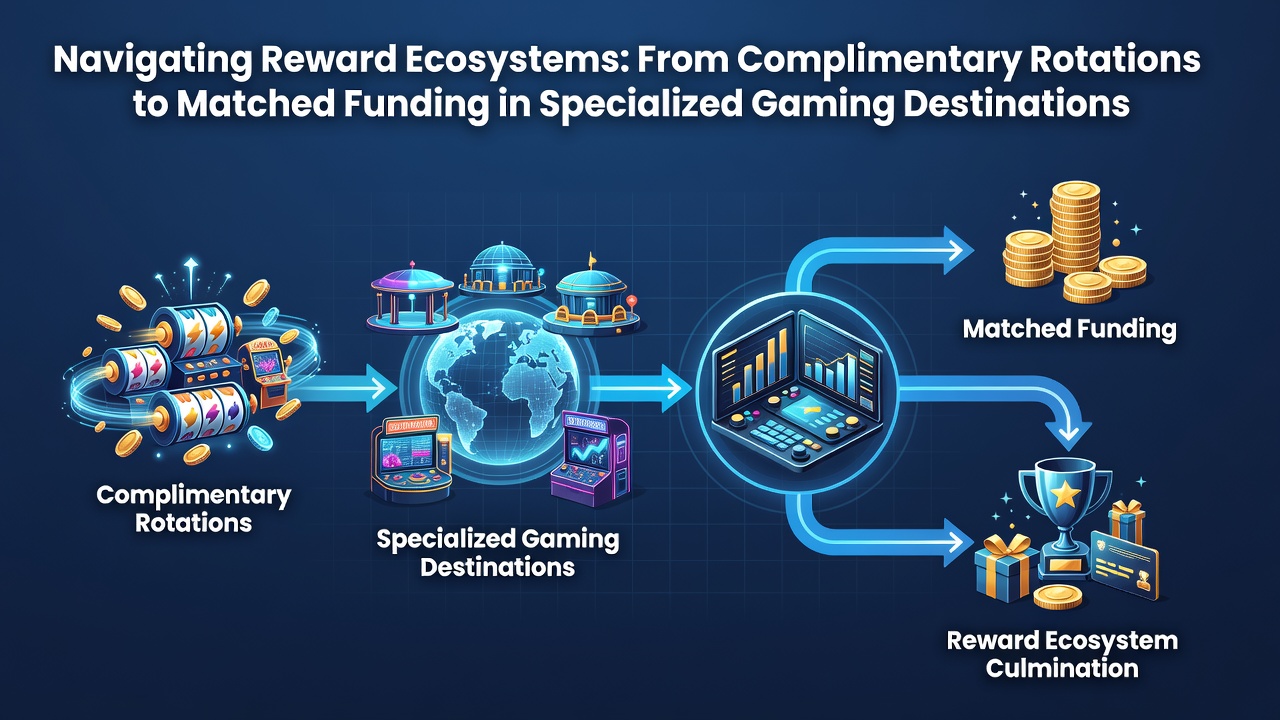
Specialized gaming destinations structure player incentives through layered reward systems that begin with no-deposit rotations and scale toward matched funding options. These ecosystems operate under specific terms that govern eligibility, wagering multipliers, and time-bound activation windows. Data from industry tracking services shows participation rates climbing steadily through the first half of 2026, with notable spikes recorded around June when several platforms refreshed their promotional calendars.
Starting Points in Complimentary Rotation Programs
Complimentary rotations function as entry-level access tools that grant players a fixed number of spins without requiring an initial deposit. Operators set these offers with defined game selections, usually featuring medium-volatility titles that balance payout frequency against session length. Research indicates average rotation counts range between 20 and 50 per activation, while maximum win caps often sit at £50 to £100 depending on the venue tier. Players who meet age and geographic requirements can claim these offers through verified accounts, after which remaining balances convert to withdrawable funds once wagering thresholds clear.
Transition Mechanics from Free Access to Funded Play
Once initial rotations conclude, many destinations route users toward deposit-based incentives that multiply incoming funds by predetermined percentages. Matched funding structures typically range from 50% to 200% on the first qualifying deposit, with upper limits applied to prevent excessive exposure. Observers note that June 2026 saw several venues introduce tiered match ladders, where successive deposits unlock higher percentages provided prior wagering obligations had already been satisfied. These progressions create continuous engagement loops while enforcing responsible play parameters embedded in licensing conditions.
Navigating Terms Across Multiple Venues
Each specialized destination publishes its own rule sets that cover contribution rates, game weighting, and expiration timelines. Slots generally contribute 100% toward requirement fulfillment, whereas table games and live dealer options contribute at reduced percentages or face outright exclusion. Those who track these details across platforms discover that simultaneous participation at multiple sites demands careful record-keeping to avoid overlapping claims that could trigger account reviews. Industry reports compiled by the American Gaming Association highlight how transparent disclosure of these parameters correlates with higher retention figures in regulated markets.
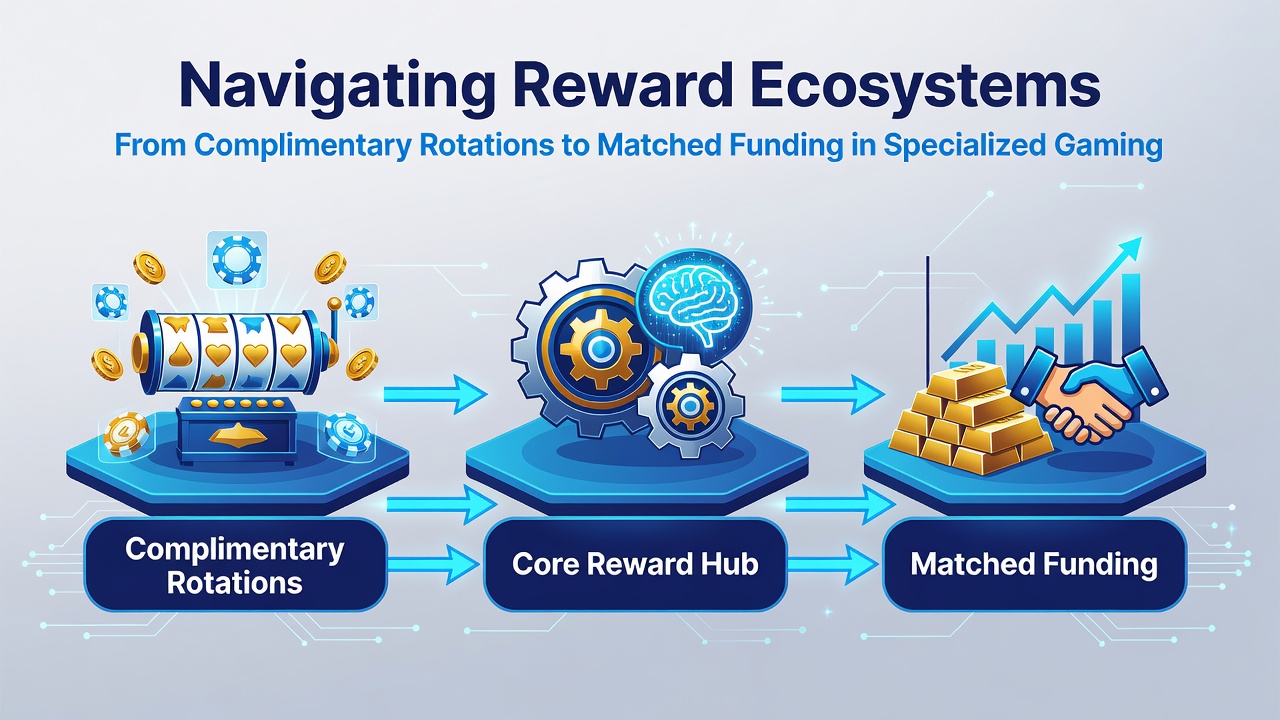
Payment method selection further influences reward availability. Certain electronic wallets receive full match eligibility, while others carry restrictions or lower percentage rates. June 2026 updates from various licensing jurisdictions emphasized clearer labeling of these differences, allowing players to compare options before committing funds. Venues that adopted unified dashboards displaying all active and pending bonuses in one view reported fewer support queries related to hidden restrictions.
Case Examples from Established Destinations
One European operator introduced a rotation-to-match sequence that automatically converted unused free spins into a 75% deposit match within 48 hours of claim. Another North American platform linked mobile app usage to accelerated wagering credit, shortening the path from complimentary access to matched funding by 30%. Figures released through academic gaming studies at institutions such as the University of Nevada show these automated pathways reduce player drop-off between bonus stages when implemented with clear progress indicators.
Conclusion
Reward ecosystems in specialized gaming destinations continue to evolve through structured progressions that link complimentary rotations directly to matched funding opportunities. Clear documentation of terms, combined with platform tools that track requirements in real time, supports informed navigation across these systems. June 2026 data reflects ongoing refinement of these structures as operators respond to regulatory expectations and player behavior patterns recorded in prior quarters.