Credit Pathways Within Layered Reward Structures for Mobile Gaming Reels

Portable gaming reels operate through structured credit pathways that move value across multiple reward layers, and these systems have gained attention among developers and operators since early 2026. Research from industry analysts indicates that mobile platforms integrate initial free credit allocations with subsequent deposit-linked tiers, creating sequences where players progress through defined stages. Data shows that such layering often begins with no-deposit entries that convert into matched funds once certain play thresholds are met, and this progression relies on real-time tracking within app environments.
Core Mechanics of Credit Movement
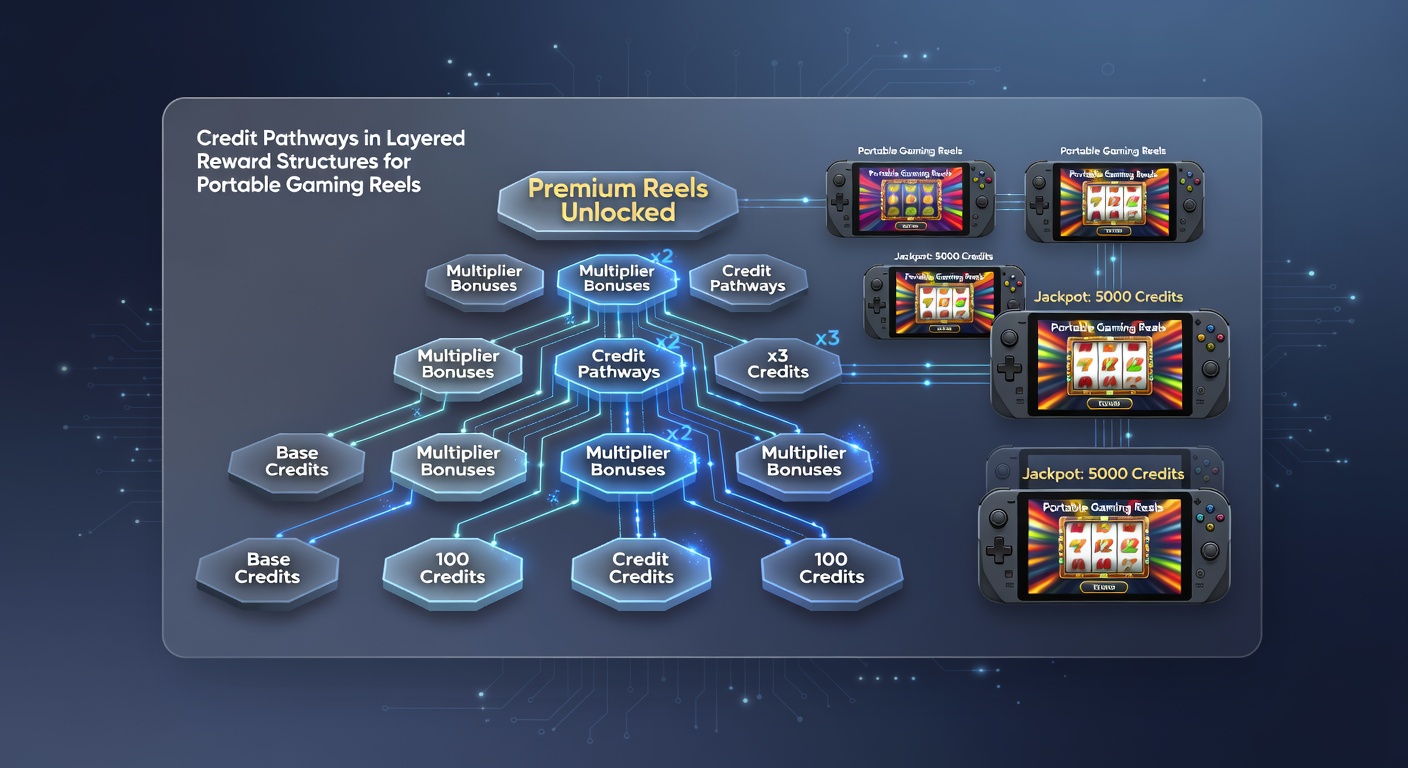
Layered structures assign credits based on activity metrics that include spin volume, session duration, and volatility alignment. Observers note that credits generated at the base level feed directly into higher tiers when predefined conditions activate, such as cumulative wager amounts reaching specific marks. In practice, a player starts with allocated spins that produce base credits, and those credits then qualify for conversion into deposit multipliers or loyalty accruals. Figures from mobile gaming reports reveal that this chaining occurs most frequently on platforms optimized for iOS and Android, where instant notifications update credit balances across layers without requiring separate logins.
What's interesting is how portability influences these pathways, since mobile sessions tend to be shorter yet more frequent than desktop play. Studies conducted by gaming research groups demonstrate that shorter sessions accelerate movement through early layers because quick completions trigger the next credit release sooner. For instance, one analysis of user patterns found that credits from initial free rounds often transition to deposit match eligibility within the same day when play occurs on handheld devices.
Integration With Mobile-Specific Features
Portable reels incorporate device-level integrations that streamline credit transfers between layers. Push notifications alert users when base credits reach conversion points, and biometric authentication speeds up deposit steps that unlock the subsequent tier. According to information released by teh Alcohol and Gaming Commission of Ontario, mobile reward architectures in regulated markets emphasize secure credit tracking to prevent fragmentation across layers, and this approach has influenced designs implemented elsewhere by May 2026.
Additional layers frequently include cashback mechanisms tied to net losses and streak-based multipliers that activate after consecutive sessions. Those who've examined platform data observe that credits from cashback often bypass the deposit stage entirely and feed straight into loyalty point systems, shortening the overall pathway for returning players. This direct routing appears more common in apps that support phone-bill deposits, where transaction speed supports faster layer progression.
Regional Variations in Pathway Design
Different jurisdictions shape how credits navigate layered rewards on portable platforms. In markets overseen by bodies such as the Alcohol and Gaming Commission of Ontario, emphasis falls on transparent conversion rules that display credit values at each stage. Meanwhile, reports from the European Gaming and Betting Association highlight that operators in several EU regions have introduced cross-layer caps by May 2026 to manage credit accumulation rates on mobile titles. These caps limit how many base credits can convert upward within a single session, directing excess value toward extended play periods instead.
Take one case where a research paper from a North American university examined reward layering across fifty mobile slot titles. The findings indicated that pathways incorporating volatility matching produced steadier credit flows compared with uniform structures, because high-volatility games accelerated entry into later tiers for players who accepted larger swings. Such patterns underscore the role of game selection in determining how quickly credits advance through the reward stack.
Tracking and Conversion Rates
Operators employ backend systems that log credit movements in real time, enabling precise measurement of conversion success between layers. Metrics collected through these systems show that roughly 40 percent of initial no-deposit credits reach the deposit-match stage on popular portable titles, based on aggregated 2026 data. Pathways that include intermediate spin-streak bonuses tend to retain higher percentages because those bonuses replenish credits mid-sequence without additional deposits.
Yet conversion efficiency also depends on wagering requirements attached to each layer. Structures that reduce these requirements for mobile users demonstrate quicker transitions, as players complete teh necessary activity within typical commute-length sessions. Platform operators have adjusted these parameters in updates rolled out around May 2026 to align with observed mobile usage habits.
Conclusion
Credit pathways in layered reward structures continue to evolve alongside portable gaming reel technology, with data indicating steady refinement in how value transfers across tiers. Mobile platforms benefit from the immediacy of device integration, allowing credits to move fluidly from base allocations through deposit matches and into loyalty systems. Regional regulatory approaches and platform-specific mechanics both contribute to the diversity of these pathways, while ongoing research provides clearer pictures of conversion dynamics. As developments unfold, the core architecture remains focused on sequenced credit progression that matches player activity patterns on handheld devices.